
18 vs 36 Gunas: What Score Should You Aim For Before Marriage?
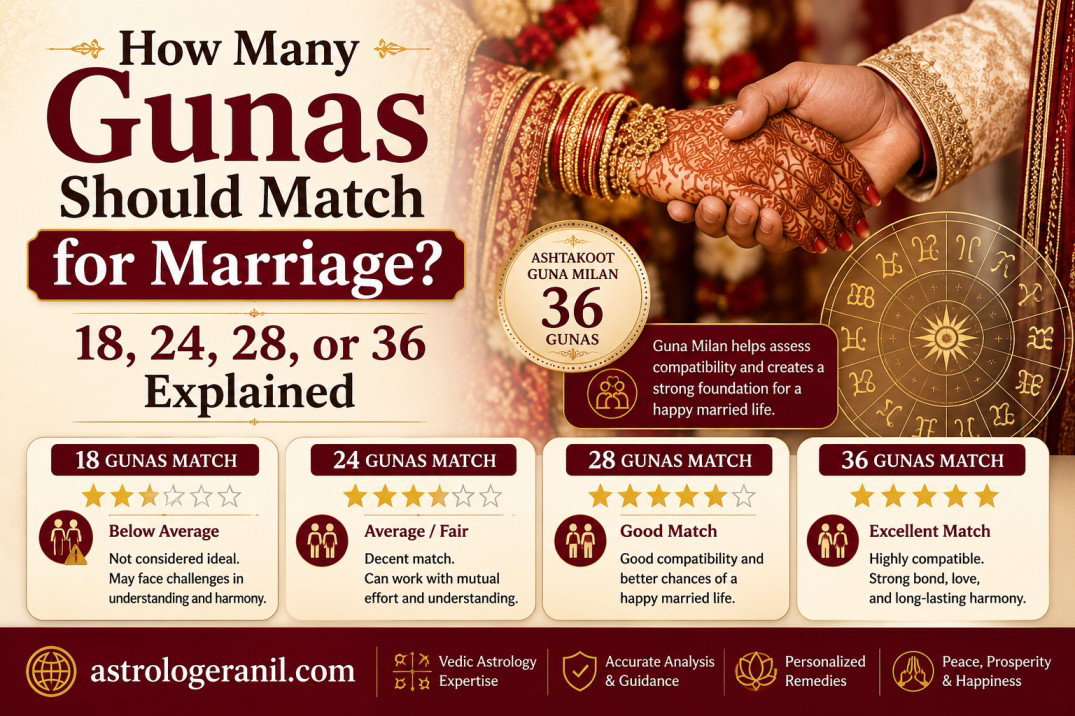
A minimum of 18 out of 36 gunas should match for a marriage to be acceptable. A score between 25 and 32 is good. A score of 33 or above is rare and considered excellent. Anything below 18 is a warning sign that needs deeper analysis before moving forward.
But that number is only the starting point. In my 15+ years of practice and over 1 lakh consultations, I have seen couples with 28 gunas struggle, and couples with 21 gunas build a happy life together. The score tells you where to look. It does not tell you the whole story.
Try Our Free Kundali Matching tool By Date of birth
What Is Guna Milan?
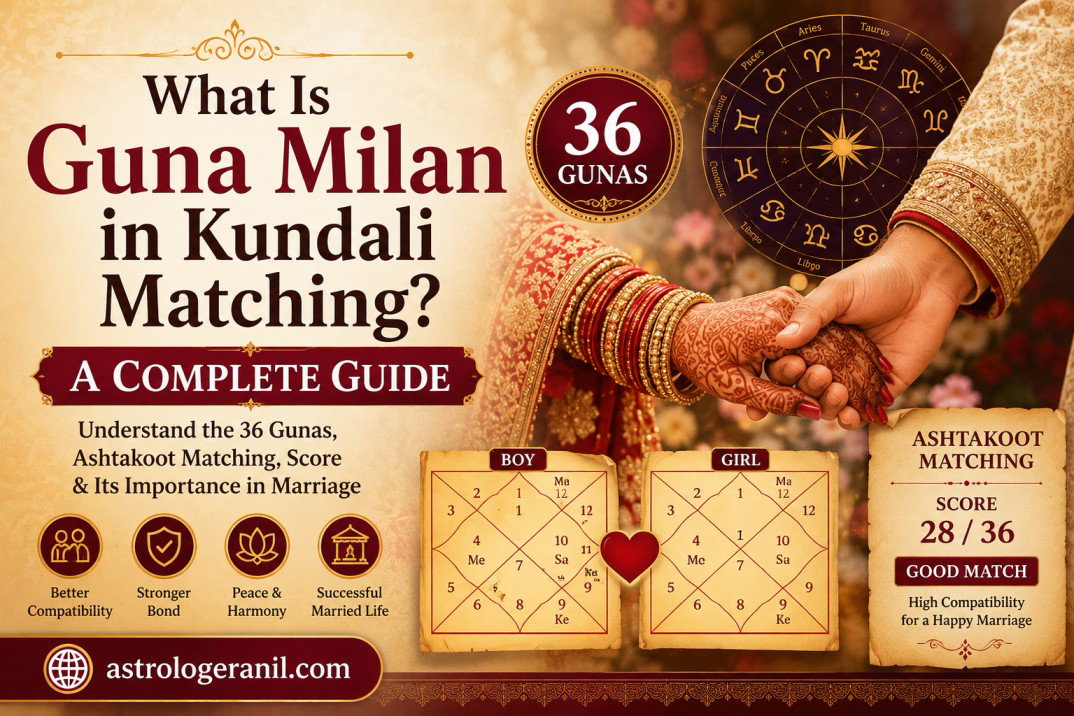
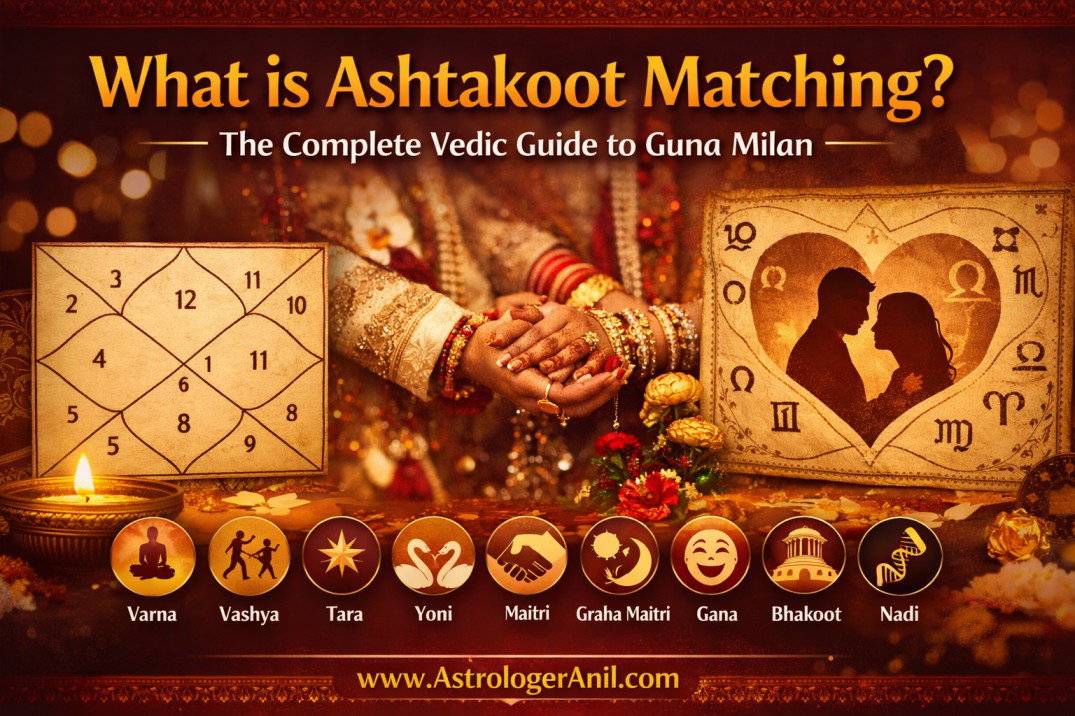
Guna Milan is the method used in Vedic astrology to assess compatibility before marriage. It is based on the Ashtakoot system — “Ashta” means eight, “Koota” means aspect. Eight different areas of life are scored, for a total of 36 points.
Those points are called gunas. The more gunas that match, the stronger the compatibility.
This system goes back thousands of years and is rooted in the Bhrigu tradition. It was designed not to predict fate, but to highlight where a couple may need more understanding and where they are naturally aligned.
The Guna Score Chart
Guna Score | What It Means |
Below 18 | Not recommended. Major mismatches likely. Needs full dosha and planetary review. |
18 – 24 | Average. Meets the traditional minimum. Works with mutual effort and communication. |
25 – 32 | Good to very good. Strong emotional and family harmony. Most couples fall here. |
33 – 36 | Rare and excellent. Very high compatibility. Rarely seen in practice. |
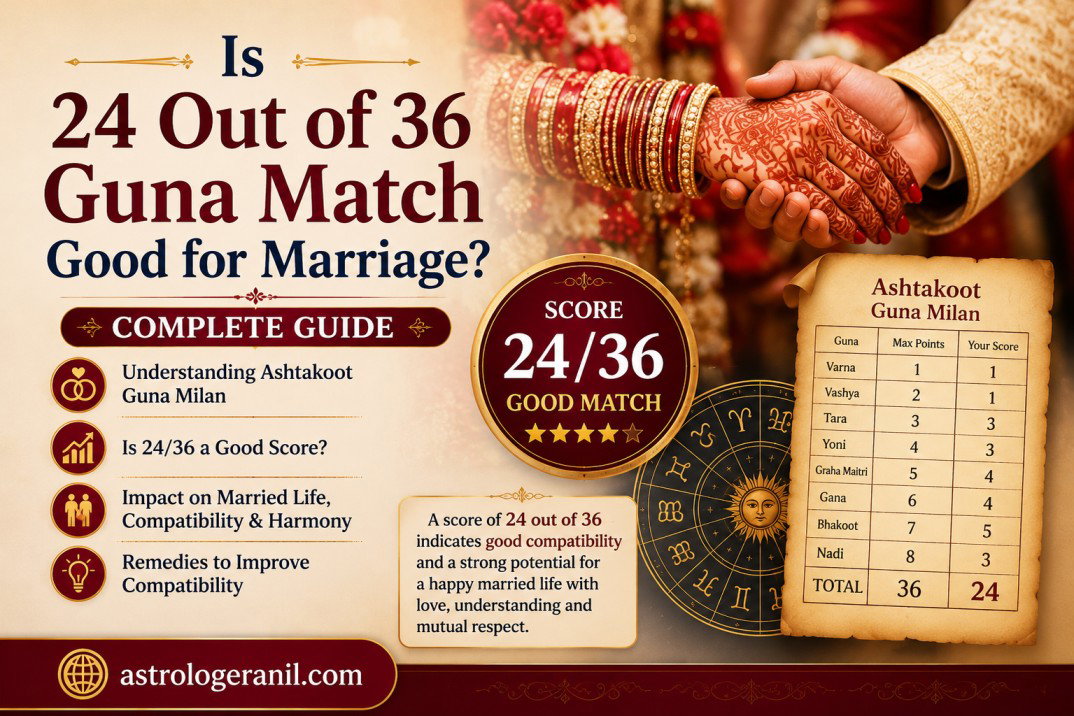
So if someone asks whether 24 gunas is good — yes, it is acceptable. It is not ideal, but it meets the minimum. A score of 28 is solid. A score of 32 is very strong.
The real question is never just the number. It is what is inside that number.
The 8 Kootas: What Each Point Covers
Koota | Points | What It Measures |
Varna | 1 | Spiritual outlook and ego levels between partners |
Vashya | 2 | Mutual attraction and power balance in the relationship |
Tara | 3 | Birth star compatibility and general well-being |
Yoni | 4 | Physical and intimate compatibility |
Graha Maitri | 5 | Mental compatibility and Moon sign friendship |
Gana | 6 | Temperament (Deva, Manushya, or Rakshasa nature) |
Bhakoot | 7 | Family prosperity, finances, and emotional bonding |
Nadi | 8 | Health, genetics, and ability to have children |
The kootas are not equal. Nadi carries 8 points because mismatches here affect health and children. Bhakoot carries a 7 because it governs the couple's finances and family life. These two doshas — Nadi Dosha and Bhakoot Dosha — need the most attention.
Why Nadi and Bhakoot Matter More Than the Total
Here is something most online calculators will not tell you.
A couple with 31 gunas and a Nadi Dosha can face more serious problems than a couple with 22 gunas and no doshas. The raw total can mislead you.
Nadi Dosha happens when both partners share the same Nadi — Aadi, Madhya, or Antya. It is linked to health issues and difficulty conceiving children. It carries the highest weight in the entire system for a reason.
Bhakoot Dosha forms when the Moon signs of the two partners fall in certain combinations — 6/8, 9/5, or 12/2 patterns. These affect financial stability and family well-being over time.
So when someone sends me a kundali matching report, I look at the total score first. But I immediately check whether Nadi or Bhakoot Dosha is present. A high score with a Nadi Dosha is not a safe match. A moderate score with no doshas often is.
What Happens If the Score Is Below 18?
Being below 18 does not automatically mean the marriage cannot work. But it does mean the match needs much closer examination.
When a couple scores below 18, it points to real differences — in health patterns, temperament, emotional needs, or life direction. These differences do not disappear after marriage. They show up.
In such cases, I look at:
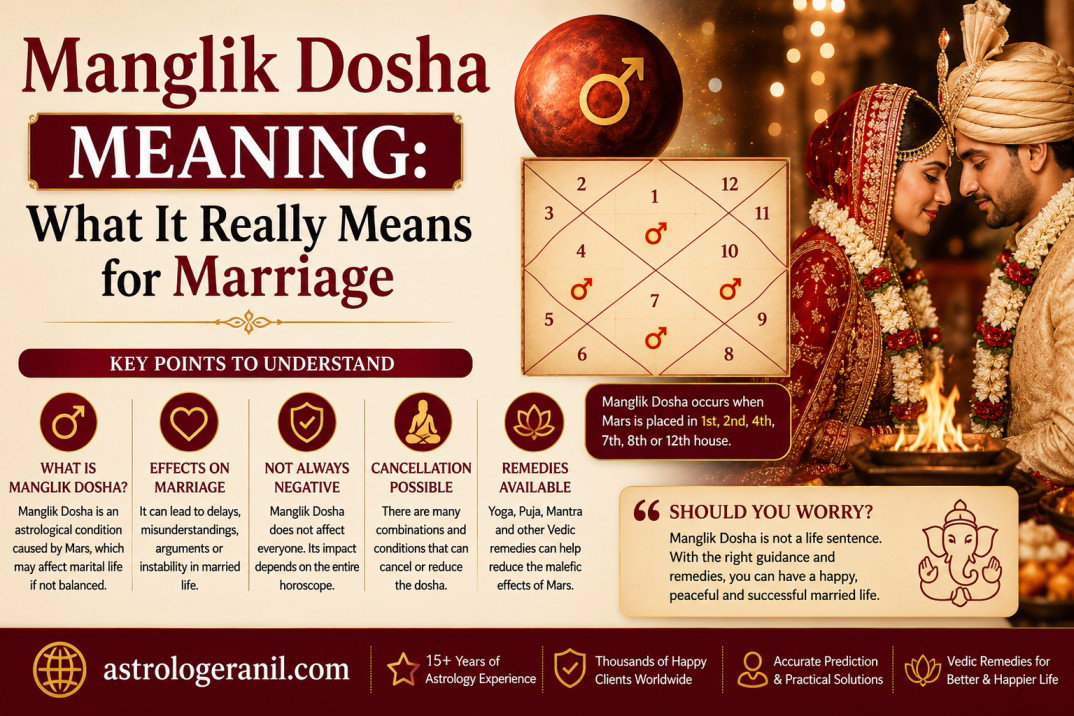
Whether Manglik Dosha is present and whether it is canceled
The Moon placement in both charts — a strong Moon gives emotional stability.
Jupiter’s placement — a benefic Jupiter can compensate for weak guna scores.
The overall planetary period (dasha) the couple will enter after marriage.
Sometimes the chart shows enough support to proceed with care. Sometimes it does not. There is no shortcut here.
A Real Example From My Practice
A couple came to me with a Guna score of 22 out of 36. The family was nervous. The boy’s side had been told by another astrologer to reconsider.
When I looked deeper, there was no Nadi Dosha. No Bhakoot Dosha. Both charts had a well-placed Jupiter. The Moon was strong in the girl’s chart. The dasha period that began after their proposed wedding date was supportive of both of them.
I told them: this 22 is not a problem. What is missing in the score is present in the chart.
They married. Three years later, the husband called to tell me about the birth of their son.
The number 22 did not define them. The full chart did.
Can a High Score Still Mean a Difficult Marriage?
Yes. This surprises people, but it is true.
A score of 30 with a Nadi Dosha is more concerning than a score of 24 with no doshas. The system is built so that the presence of a dosha in Nadi or Bhakoot can outweigh the overall point total.
Beyond doshas, each individual's chart matters. If one partner is running a particularly difficult planetary period around the time of marriage, that will affect the relationship regardless of what the guna score says.
Guna Milan is a compatibility check, not a destiny report. It works best when read alongside the full birth chart.
Do Low-Guna Couples Have Happy Marriages?
Many do.
Guna Milan was designed as a guide, not a verdict. The ancient texts of the Bhrigu lineage that form the base of my practice are clear on this: astrology shows tendencies, not certainties. A couple willing to work, communicate, and understand each other can build a strong marriage even with a score in the 18–22 range.
What tends to hurt low-guna marriages is not the score itself. It is ignoring the doshas without proper analysis. That is where the real risk sits.
FAQs
Is 18 out of 36 gunas enough for marriage?
It meets the traditional minimum. But check for Nadi Dosha and Bhakoot Dosha before making a decision. A score of 18 with a major dosha is more concerning than a score of 18 with no doshas.
Is 24 gunas good for marriage?
Yes, it is acceptable. Couples with 24 gunas are in the average-to-decent range. They may need to work more on communication, but the match is not weak.
What does 28 gunas mean?
28 out of 36 is a good match. It falls in the 25–32 band, which is the range most astrologers consider strong and stable.
Is 36 out of 36 gunas even possible?
It is theoretically possible but almost never seen in practice. Even if it were, a perfect score does not remove the need to check for doshas or individual chart strength.
What if gunas match below 18?
Do not rely on the score alone. Get a full kundali analysis that includes dosha review, individual planetary positions, and dasha periods. Some matches below 18 can be acceptable, provided there is strong chart support. Others cannot.
Which koota is most important in Ashtakoot matching?
Nadi, with 8 points, carries the most weight. It affects health and children directly. Bhakoot, with 7 points, is the second most important. Both need to be clean before finalizing any match.
Can an astrologer fix a bad guna score?
No remedies can change the score itself. But a qualified astrologer from a proper lineage can identify whether the chart compensates for a low score — and suggest the right practices to strengthen the relationship going in.
What to Do Next
If you have a Guna score and you are trying to understand what it really means for your match, an online calculator is not enough. It gives you the number but not the interpretation.
I have spent 15 years reading kundalis from the Bhargava–Bhrigu tradition. I look at the full chart — the doshas, the individual planetary periods, the Moon placement — not just the number at the top of the report.
Book a 30-minute Kundali Matching consultation at ₹1,100.
📞 Call: +91 99791 22201
💬 WhatsApp: +91 9979122221
🔗 Book directly: rzp.io/rzp/ppWyGHl
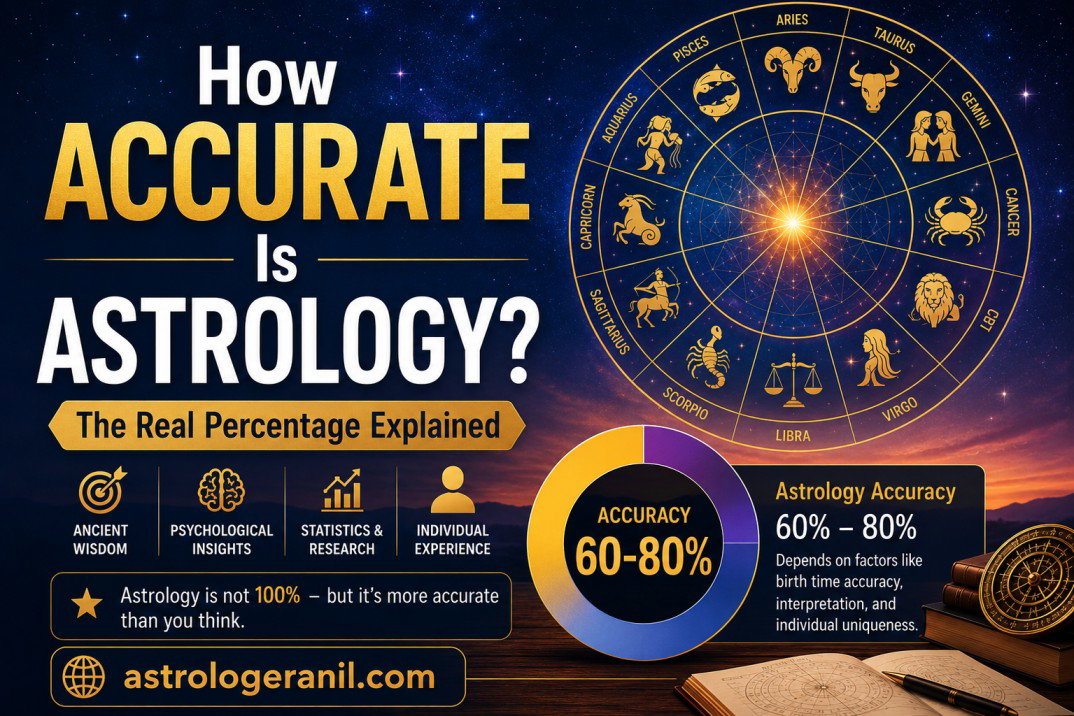
Also read: What Is Ashtakoot Matching and How Does It Work? | Is Astrology 100% Accurate?